




 2026-09-29
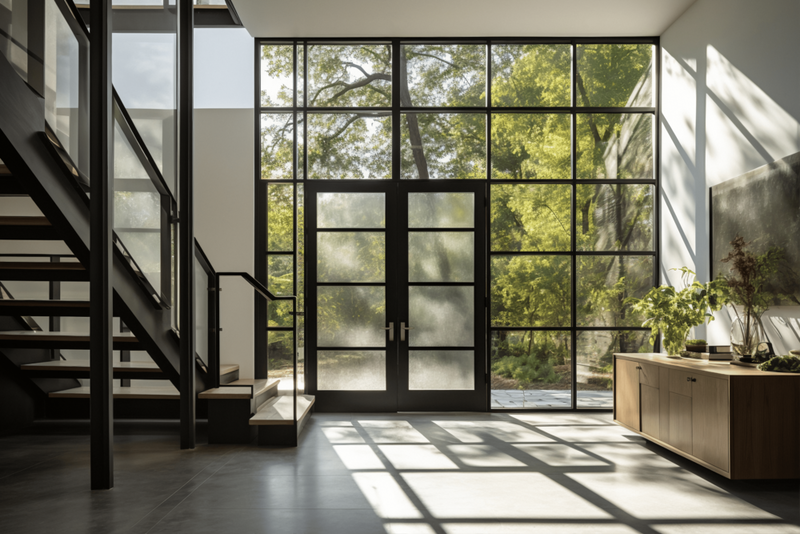
When choosing aluminum windows and doors, focusing solely on appearance or price is rarely enough. A system’s performance depends on several factors: the profile, glass, hardware, manufacturing, installation, and after-sales service. When selecting modern windows and doors, it is also essential to consider the purpose of the space and its operating conditions. The right choice begins with understanding project requirements and continues through quality manufacturing, professional installation, and after-sales service.
When choosing windows and doors, primary attention is often placed on the frame. However, glass is one of the most critical components of the system and directly affects thermal insulation, sound insulation, and natural light.
When selecting glass, you must consider its structure, thickness, number of panes, and the specific characteristics of the space. The type of glass should align with the technical requirements of the project and the overall system. Otherwise, even a well-chosen profile will not deliver the expected results.
Comparing only the initial cost when choosing aluminum windows and doors can give a misleading idea of the value of different systems. Two systems that look identical on the outside can differ significantly in their structure and technical capabilities.
When comparing, it is important to pay attention to:
Together, these factors determine the final value and operational lifespan of the system. Therefore, when making a decision, it is wiser to compare complete solutions rather than just price quotes.
When selecting windows and doors, security should be considered as early as the design phase. Here, it is not just the material of the window or door that matters, but the structure of the entire system: the profile, locks, glass, and hardware.
The level of security can be affected by:
For example, when choosing aluminum entrance doors, you must consider not only appearance, but also the frequency of use and security requirements. The general term "metal doors" does not automatically mean that a given door meets the security requirements of every project.
Even a correctly chosen system may fail to perform as expected if it is not properly installed. This applies to both windows and doors.
During installation, it is crucial to maintain accurate opening dimensions, proper alignment, fastening requirements, and necessary joint sealing. Poor installation can cause operational difficulties, air leakage, heat loss, or uneven wear on individual components.
Proper installation is especially critical for large-scale or custom-designed units. For this reason, window manufacturing, measurement, and installation should be viewed as interconnected processes. It is also important to choose a supplier that provides after-sales service, so the system can be inspected, adjusted, or serviced if issues arise during operation.
When choosing windows, paying attention only to the appearance of the glass or frame is not enough. The thermal performance of a system depends on the combination of the profile, glazing, and overall structure.
In aluminum systems, the thermal break plays a vital role in reducing heat transfer between the interior and exterior environments. For glass, you must consider not only the number of panes, but also its energy-saving or solar-control properties. The orientation of the building is also important: a sunny exposure may require glass that limits excess solar heat gain, while opposite exposures may prioritize heat retention.
Combining these factors correctly helps reduce heat loss in winter and prevents overheating in summer. Therefore, window selection should be based not just on aesthetics, but on technical calculations and requirements suited to the specific building conditions.
When choosing aluminum windows and doors, it is essential to evaluate the entire system rather than a single feature. A well-chosen system must match the purpose of the space, operating conditions, and technical project requirements. This approach ensures a long-lasting, comfortable, and reliable solution, backed by professional after-sales support.
Quality manufacturing is essential because the final performance of the system depends on precise fabrication and assembly. Profile processing, glass installation, and correct hardware assembly all directly impact functionality. For this reason, it is important to focus not only on the chosen system, but also on the quality of its production, installation, and after-sales service.
First, consider the purpose of the room, system dimensions, and operating conditions. Next, evaluate the profile, glass, hardware, thermal insulation, and security requirements. It is also crucial to ensure that measurement, manufacturing, and installation meet technical specifications, and that ongoing maintenance service is available.
Among the most common mistakes are being guided solely by price, ignoring the importance of glass, and underestimating proper installation. Often, room insulation needs, security features, and usage conditions are also overlooked. As a result, the selected system may fail to meet the actual requirements of the project.


